
Industrial Pliers Guide: Lineman, Combination and Long-Nose Explained
Pliers are the most used and least considered hand tool in any toolbox. Choosing the correct pattern for the task protects the tool, the workpiece and your hands.
Lineman pliers
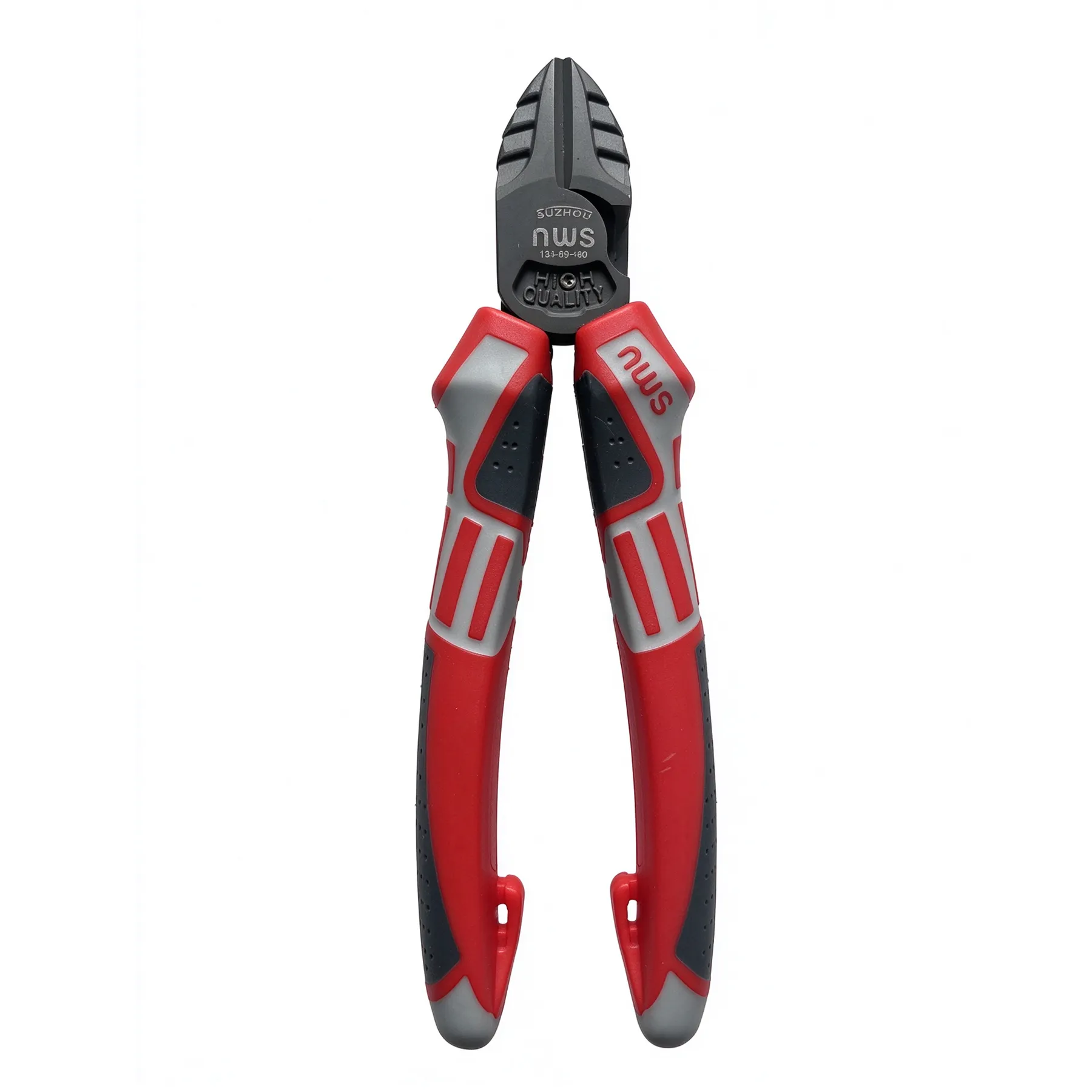
Also called side-cutting pliers, these are built for heavy work: gripping, twisting and cutting wire. The thick, induction-hardened cutting edge handles solid copper and small screws. They are the default choice for electrical installation.
Combination pliers
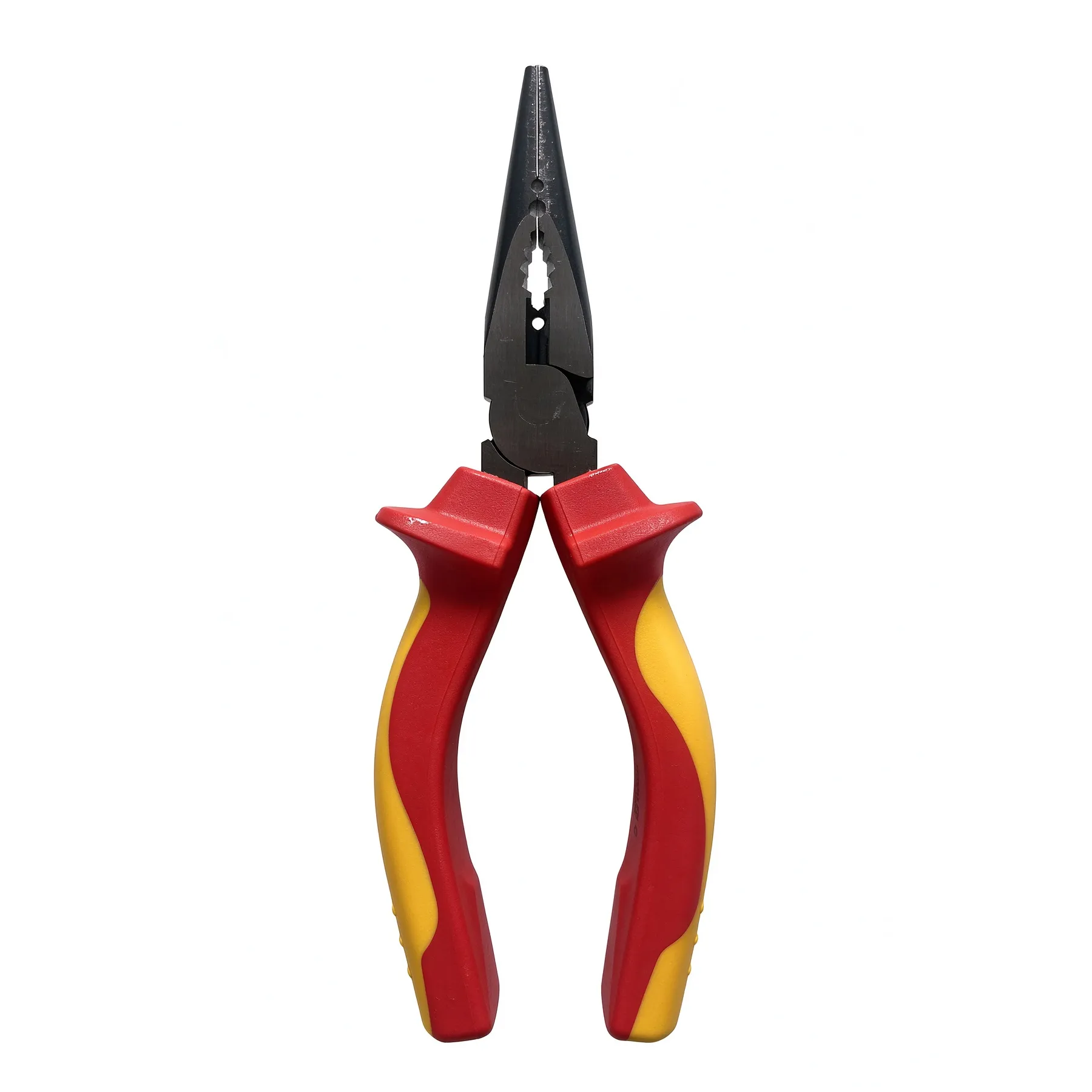
A combination pattern adds a serrated gripping zone and a pipe-grip section. They are general purpose tools, good for holding, bending and pulling, but less precise than a dedicated cutter when a clean cut matters.
Long-nose pliers
Long-nose or needle-nose pliers reach into confined spaces, form loops and bend wire. Fine tips are excellent for electronics, while heavier forged tips are better for trade work where leverage is required.
Points to check when buying
- Joint type: a machined, hot-riveted joint stays smooth far longer than a simple lap joint.
- Handle grips: dual-material grips reduce hand fatigue on long jobs.
- Finish: a polished or black-oxide finish resists corrosion, while chrome plating is easier to wipe clean.
Buy pliers with a cutting edge hardened to at least 60 HRC for wire work, and keep a separate pair for anything harder than copper to preserve that edge.